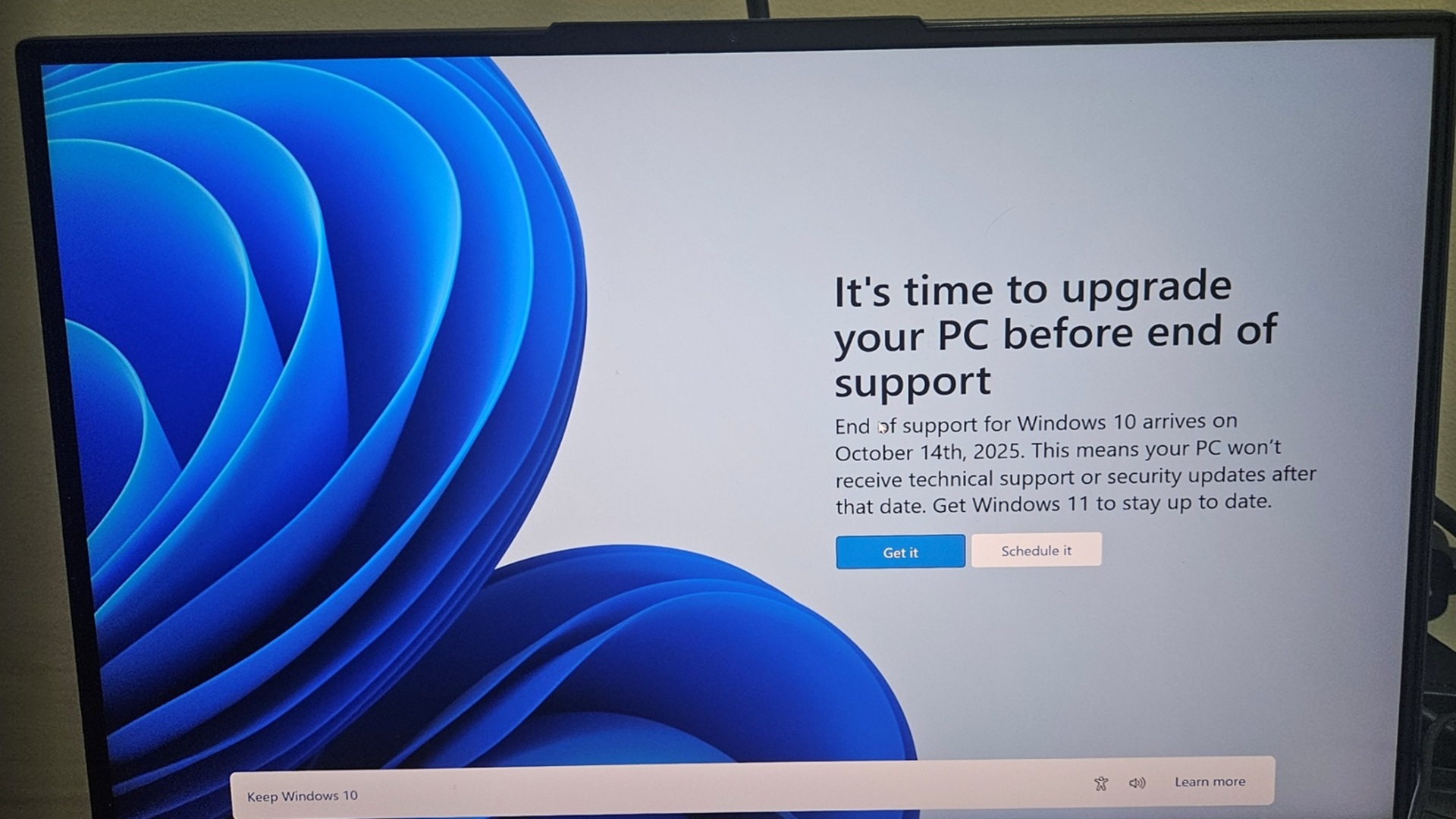
The world of PC software licensing has changed significantly since the advent of Windows 7. Instead of the straightforward purchase of a software product from boxes, there is now a variety of choices to select from including OEM vs. The options are Pro, subscriptions and perpetual keys. For users, especially those responsible for managing systems for others, navigating terms like `windows 11 lizenz buy or windows11 oem can be confusing and financially risky. This guide helps you cut through the clutter by providing ten essential insights to inform your purchase (`windows 11 kaufen`) as well as ongoing system management. We'll also discuss these choices to access to servers as well as security software, software suites and software.
1. Understanding the shift in the licensing paradigm The "Windows 7 Hangover".
Upgrades to Windows 7 are a shock in terms of licensing. Windows 7 relied primarily on perpetual retail licenses, and an easy transfer to the right. Windows 11 licensing today is far more complicated and is tied to Microsoft accounts. The Windows Home Key or pro key that you purchase today isn't an actual disc. It's a license digitally tied to your account, and/or hardware. When you `windows 11 lizenz buy, you're usually purchasing a product key that activates this digital entitlement. Learn the distinctions between OEM and Retail transfer rules.
2. OEM Licenses OEM Licenses: The "Bargain" with Permanent Strings Attached.
It's the most well-known and least expensive license option. But it is also a conditional deal. This "for the system builder" license is tied permanently to the motherboard at initial activation. If you are planning to upgrade your PC regularly or are planning to alter your operating system, this product is not for you. Microsoft does not offer direct assistance for OEM licensing. It is the obligation of the PC maker or the seller. Keys that look to be priced too low are most likely OEM keys with questionable origins. They may be in violation of the terms of licensing or could be subject to deactivation.
3. Retail licenses Your insurance policy for hardware evolution.
When you purchase the Retail version of Windows 11, you're buying transferability and direct Microsoft Support. The license can be transferred from one machine to the other, but only if it's active on just one. This is the only option for those who want to have an independent license. Retail licenses are beneficial for those who want to keep their PC updated or IT departments who require flexibility.
4. Home vs. Pro: It's about Control, Not just Features.
The decision between a Windows 11 home keyand Pro is usually tied to features like BitLocker or Hyper-V. For the majority of users, the main difference is control. Windows 11 Home actively manages its users. It imposes auto-updates and restarts, shows more ads and suggestions, and lacks certain tools, for instance the local Group Policy Editor. The Pro version allows you to regain control. You can postpone updates for several weeks, customize the experience completely, and remove "consumer"-friendly interruptions. If you require security and predictability, as well as independence from your PC then Pro is not negotiable.
5. Windows 11 License: The CAL Conundrum - The reason the Windows 11 license you have is just the entry fee
If you connect to an enterprise network via the name of "Windows Server 2025" desktop license, that is just half the story. Client Access Licenses are legally required for any device or user who wants access to servers' resources. Windows 11 Pro is not provided with the CAL. Cals are an additional cost that is often overlooked. Windows 11 Home accessed through a Windows Server in a commercial environment is a direct license violation. Be aware of CALs when you are planning a server-based network.
6. OS Choice Decides Your Needs for Security Software.
Windows licenses affect your security posture. Windows 11 Pro comes with built-in tools like BitLocker. Additionally, it comes with a robust Defender. This could decrease the need for additional protection software from third parties. If you opt for Home or want to have more protection the kaspersky suite premium` or `norton 360can fill in the gaps. Importantly, running these suites on Pro permits you to turn off the redundant functions (like simple encryption of your disk) to reduce performance impact. Your OS license must be in sync with your security software.
7. The Office License Parallel Mirrors Your Windows Decision.
The decision tree for an `office lizenz kaufen` is directly mirrored by Windows. The choice is similar: a perpetual one-time license (Office 2021/2024) which is connected to a single computer (like OEM), or a Microsoft 365 subscription that's user-centric with a transferable subscription and a subscription-based (like Retail). Office lizenz strategies should follow the Windows principles. A Microsoft 365 subscription per user is similar to an Windows Retail transferable license. If you're treating your PC with an OEM model, a per-year Office could be sufficient.
8. The "Kaufen Caveat": Geographic Pricing and Grey Market Risk
If you look up "windows licensing purchase" or "windows xp kaufen" The prices vary widely. This is due to regional pricing and the gray market. Microsoft has an anti-seller policy that prohibits sellers who distribute keys that are designed for regions with lower costs. The keys could be removed. Only a licensed retailer or distributor in your area can provide a legitimate OEM or Retail purchase. The cheapest key can be the most costly mistake. It can lead to a system being deactivated and data lost.
9. Future-Proofing using Pro A Guide to the Windows Server 2025 Integration Path.
Plan for the future growth. `Windows server 2025` integration is required to run Windows 11 Pro (or Enterprise) on the clients to join the domain for central management. Windows 11 Home PCs cannot join an existing domain. If you invest in Pro licenses even if the existing setup isn't too big it will result in an easy transition to an environment managed by servers. This will prevent a costly and disruptive upgrading from Home to Pro once your first server is in place.
10. License Harmony.
It is recommended to aim for licensing compatibility as your aim. A coherent setup might be: Windows 11 Pro Retail licenses (for control and transferability) + User-based Microsoft 365 Business Premium subscriptions (for Office, cloud services, and managing devices) + Enterprise-grade security (like the kaspersky premium that is that is controlled by central console). This will result in user-centric and auditable software. In contrast, mixing grey-market "windows 11 OEM" keys and standalone "Office lizenz", and consumer-grade Norton 360 results in a patchwork of fragile and unmanageable software that puts security and compliance at risk. Take a look at your entire network rather than just the individual purchase. Have a look at the top windows 11 oem for site recommendations including office 2016 software, microsoft project, microsoft 365 key, visio download, windows server 2016 os, visio download, micro soft outlook, microsoft project, visio software download, microsoft office with key and more.
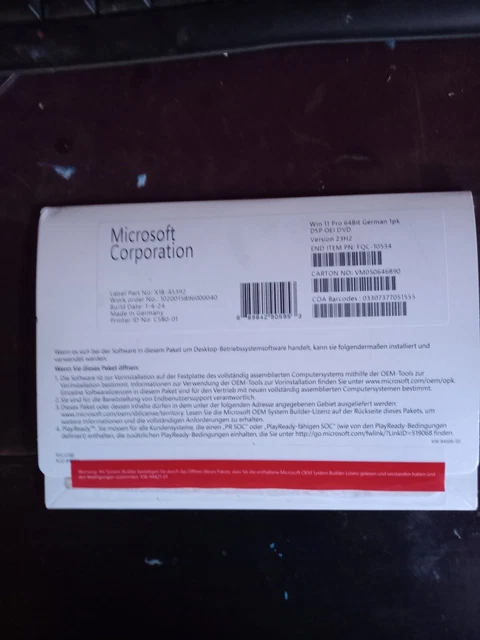
Software Licensing Evolution: From One Time Purchase To Subscription.
This shift from buying a windows7 DVD in a package to subscribing a Microsoft 365 service represents one of most significant changes in the digital world. This evolution does not just include a brand new payment method but also a fundamental change in the relationship of user to software. This has a cascading effect on security and productivity and the total cost. The old paradigm--exemplified by a one-time `office lizenz kaufen` or an `windows 11 oem` key tied to hardware--valued static ownership and predictable, upfront capital expenditure. Subscriptions to Windows (via Microsoft 365) Kaspersky Premium, norton360 trade that permanence in exchange for cloud integration, continuous updates as well as a shift toward operating expenses. Understanding the changing nature of licensing is crucial to be able to navigate the current software landscape, beware of key traps in the grey market (such as "buy windows 11 license") and make smart decisions in line with the way software functions.
1. The Security Imperative has prompted the change
Modern cyber threats have brought an end to one-time purchase. As security threats get more sophisticated, a perpetual license from the year 2019, or an older version of Windows 7 is vulnerable. Subscribers' financial security is tied to their security. Microsoft has to keep updating Defender or Office 365 continuously to justify a monthly fee. Norton, Kaspersky and other companies must also include new features to maintain your commitment. The old model had end-of support cliffs, like Windows 7's. However, a subscription gives you a continuously maintained security boundary.
2. Ecosystem lock-in process: From product to platform.
A one-time purchase is only for one product. A subscription is for a platform. Windows 11 home keys are comparable to an OS. Microsoft 365 Business comes with Windows 11 (with the upgrade rights), Office 2013, OneDrive, Teams and SharePoint. The benefit lies in the seamless interoperability. This gives you a solid lock-in, as well as a huge ease of use and capabilities that perpetual licenses, such as "Office license", "Windows 11 lizenz" or backups that are separate could not achieve. The licensing unit moves between the device and user identity.
3. Existential Crisis on the Grey Market
The subscription model is hostile to the grey market that thrives on "Windows 11 purchase" scams. A subscription is not a static sequence of numbers, but an account credential. It is tied to a billing ID and expires. Volume License or OEM Keys are virtually impossible to sell in a way that is nefarious. The increasing number of subscriptions is gradually destroying key resellers and forcing customers to leave the market or reverting to outdated perpetual versions that are not secure.
4. Business Accounting Revolution: Predictable OpEx vs. Lump Sum CapEx
For companies, this change moves software from an investment in capital (CapEx--a huge, often-infrequent expenditure amortized over years) to an operational expense (OpEx--a regular, predictable cost). Small businesses can benefit from a better cash flow. However, it can also change budgeting. It is necessary to calculate the monthly costs for each user and for the 'cals' of the Windows Server 2025 edition. It is not unusual to find the total price of a subscription to be more than the cost of the original one-time payment, but it also includes the continual support and the constant innovation offered through the brand new subscription model.
5. Windows 11 Dual Nature: the "Hybrid Model".
Windows 11 is the first operating system to span both eras. It is still possible to purchase an oem Windows 11 for one timeor retail license (the legacy model). Microsoft 365 Business/Enterprise subscriptions (the modern version) come with this benefit. This hybrid state causes confusion. Windows' "subscription" is not the OS in the way it was previously understood. It's the ability to use the latest version of the OS and the cloud management system. The two types of users are those who are using the "static snapshot" (Windows 1124H2) or "lease a continuously updated services.
6. Third-Party Security Suites were the first to be developed.
Companies like Norton (`norton 360) and Kaspersky (`kaspersky premium) were early adopters of the subscription model used for software for consumers. The success of these firms was always dependent on the latest threat definitions. The company shifted from selling three-year licenses to the subscription model that automatically renews. To boost value, they often include additional services, such as cloud backup and password managers to decrease churn and increase monthly revenue. Their model was the genesis of the larger industry shift.
7. The server-side parallel CALs were the initial "User subscription".
Client Access Licenses for Windows Server 2025 (cals), is the precursor of the current subscription. Although you purchase the server software once the cals provide the right to access for a long time. They're a type of "subscription" for the server service, purchased typically in large quantities. Azure's modern cloud model is an operational model since it costs for storage, compute and user access per second or per month. This brings the process from perpetual licenses + CALs into pure consumption-based pricing.
8. The Data Sovereignty Challenge - Loss of Permanentity
Subscriptions can result in an end of the line. If you cease paying the subscription cost for your Office license, you may lose access to the applications you use, and your data could be lost if the data is trapped in the cloud-based ecosystem ecosystem. A perpetual Office 2021 license keeps functioning forever, albeit frozen in time. This transfers power to the vendor and creates the possibility of data locking. The smartest users must develop a migration plan and a data extraction strategy as part of their subscription.
9. Fragmentation & the Bundling Counter Trend
As a response to the growing issue of subscription fatigue, we see trends that are not in line with the norm. The "Lifetime Licenses" are for software that is niche are a marketing tool which capitalize on subscription fatigue. In the current world of subscriptions being scattered, bundling subscriptions – like a norton360 Office package - is an effective way to increase value and simplify a complex subscription system. However, as analyzed previously they often mix the subscription (Norton) along with a perpetual license (Office) and create an unbalanced hybrid that illustrates the industry's ambiguous shift to a new state.
10. Strategic Licensing In The Subscription Age: Integrated Stack.
For a modern business, this likely means: Microsoft 365 Enterprise subscription (handling Office, Windows, and Email, as well as Endpoint Security and Management) and Azure AD & Intune (for identification and device management replacing some traditional windows server 2025 or 'cals ' functions) + potentially specific third-party security layers. Microsoft 365 Enterprise subscriptions (including Windows, Office, Email and Collaboration) together with Azure AD and Intune (for identity management and device management, replacing the traditional Windows 2025 and cals features) and a security layer that is provided by an outside company (such as Kaspersky premium for advanced threat hunting) is likely to be the most suitable option for businesses in the modern age. The goal of this is to unify management and decrease the amount of companies. This will allow software to transform into a collection of products purchased to a fluid, cohesive utility that can power a business consistently and predictably. View the recommended office lizenz for site recommendations including visio software download, micro soft outlook, windows server 2016, windows office, product keys, ms office 2016, windows server 2019, windows office software, windows office software, windows office software and more.